
The Power of Sharing Your Story

In today’s fast-paced, digitally connected world, the act of sharing personal stories has become a powerful tool for fostering connections, building communities, and inspiring change.

1. Building Connections

Sharing personal experiences helps to create genuine connections with others. When we open up about our own journeys, struggles, and triumphs, we invite others to do the same. This mutual sharing can lead to deeper relationships and a sense of belonging within our communities.

2. Empowering Others

Your story has the power to inspire and empower others. By sharing how you overcame challenges or achieved your goals, you can provide hope and motivation to those who may be facing similar situations. Your narrative can be the catalyst for someone else’s breakthrough.

3. Fostering Understanding and Empathy

Personal stories allow us to see the world from different perspectives. They break down barriers and foster empathy, helping us to understand and appreciate the diverse experiences of others. This understanding is crucial in creating inclusive and supportive environments, both in the workplace and beyond.

4. Promoting Mental Health and Well-Being

Talking about our experiences, especially difficult ones, can be a form of catharsis and a crucial step towards healing. Sharing stories can reduce feelings of isolation, provide emotional relief, and contribute to mental well-being. It reminds us that we are not alone in our struggles.

5. Encouraging Professional Growth

In the professional realm, sharing your career journey, including both successes and setbacks, can be incredibly valuable. It not only highlights your resilience and adaptability but also provides insights and lessons for colleagues and aspiring professionals in your field.

How to Share Your Story

  • Be Authentic: Authenticity resonates. Share your experiences honestly and openly.
  • Be Vulnerable: Don’t be afraid to talk about your challenges and failures. They are an essential part of your story.
  • Be Respectful: While your story is yours to tell, be mindful of others’ privacy and experiences.
  • Be Positive: Highlight the lessons learned and the growth achieved, even from negative experiences.

Join Us in Sharing Your Story

Join us this Share Your Story Month and let your voice be heard. Whether it’s a personal achievement, a professional milestone, or a moment of resilience, your story matters. Together, we can create a tapestry of experiences that enriches and empowers us all.
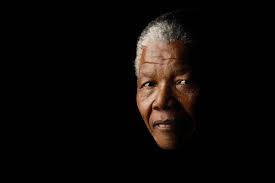
Celebrating Nelson Mandela Day

Inspiring Change Through Service and Compassion

black screen with nelson mandela's face

Every year on July 18th, we commemorate Nelson Mandela Day, a global call to action that celebrates the legacy of Nelson Mandela by encouraging individuals, communities, and organizations to make a positive impact. This day is more than a tribute to the man who fought for freedom and equality in South Africa; it’s a reminder that each of us has the power to make a difference in the world.

The Legacy of Nelson Mandela

Nelson Mandela, fondly known as Madiba, dedicated his life to the service of humanity—fighting against apartheid, advocating for human rights, and striving for social justice. His unwavering commitment to peace and reconciliation has left an indelible mark on the world. Mandela’s journey from prisoner to president is a testament to the power of resilience, forgiveness, and the belief that one person can inspire monumental change.

The Essence of Mandela Day

Mandela Day is rooted in the idea that everyone has the ability to transform the world. The United Nations officially declared July 18th as Nelson Mandela International Day in 2009, recognizing Mandela’s values and his dedication to the service of humanity. The day calls on us to reflect on our responsibilities towards others and to take meaningful actions that contribute to the betterment of society.

Ways to Honor Nelson Mandela Day

  1. Volunteer Your Time: Whether it’s helping at a local shelter, mentoring youth, or participating in community clean-up events, dedicating your time to service is a powerful way to honor Mandela’s legacy.
  2. Spread Kindness: Simple acts of kindness, like helping a neighbor, donating to a cause, or offering support to someone in need, can have a profound impact.
  3. Advocate for Justice: Stand up against injustice and inequality in your community and workplace. Support initiatives that promote human rights and equality for all.
  4. Educate and Inspire: Share Mandela’s story and values with others. Host discussions, workshops, or events that encourage dialogue about social justice, peace, and reconciliation.

Our Commitment at Interim HealthCare

At Interim HealthCare, we are inspired by Nelson Mandela’s enduring legacy. We believe in the power of compassionate care and the importance of making a positive impact in the lives of others. On this Mandela Day, we reaffirm our commitment to serving our community with dedication and empathy.

Join Us in Making a Difference

As we celebrate Nelson Mandela Day, let’s remember that our actions, no matter how small, can contribute to a larger movement of change. Together, we can honor Mandela’s legacy by fostering a world built on compassion, justice, and equality.

Let’s make every day a Mandela Day by committing to service and showing kindness to those around us. In the spirit of Madiba, let’s inspire change and make a lasting difference.

Honoring Our Heroes

The Significance of Memorial Day

Memorial Day is more than just the unofficial start of summer; it is a day of profound significance for all Americans. Observed on the last Monday of May, this day is dedicated to honoring and remembering the brave men and women who have made the ultimate sacrifice while serving in the United States Armed Forces.

The History of Memorial Day

The origins of Memorial Day date back to the aftermath of the Civil War, a conflict that claimed more American lives than any other in history and necessitated the establishment of the country’s first national cemeteries. Originally known as Decoration Day, it was a time for families and communities to come together to decorate the graves of fallen soldiers with flowers, flags, and wreaths.

General John A. Logan, leader of an organization for Northern Civil War veterans, called for a nationwide day of remembrance on May 30, 1868. The date was chosen because it wasn’t the anniversary of any particular battle, making it a neutral time to honor all who had died in service to the nation. Over time, Memorial Day evolved to commemorate American military personnel who died in all wars, including World War I, World War II, the Vietnam War, the Korean War, and conflicts in Iraq and Afghanistan.

The Importance of Memorial Day

Memorial Day is a time to reflect on the sacrifices made by our military personnel to protect the freedoms we cherish. It is a solemn reminder of the cost of liberty and the brave individuals who paid that price. Their courage and dedication continue to inspire and remind us of our duty to honor their memory.

How to Honor Memorial Day

  1. Attend Memorial Services: Many communities hold memorial services and parades. These events are an opportunity to pay respects and show support for veterans and their families.
  2. Visit Cemeteries and Memorials: Place flowers or flags on the graves of fallen soldiers. National cemeteries often have ceremonies and volunteers who can help you participate in honoring the dead.
  3. Participate in the National Moment of Remembrance: At 3 p.m. local time, pause for a moment of silence to remember and honor those who have died in military service.
  4. Educate Yourself and Others: Take time to learn about the history of Memorial Day and share this knowledge with others, especially younger generations. Understanding the significance of the day ensures that the sacrifices of our soldiers are never forgotten.
  5. Support Veterans and Military Families: Consider donating to organizations that support veterans, active-duty military, and their families. Acts of kindness and support can go a long way in showing gratitude.

Reflecting on Sacrifice and Service

This Memorial Day, let us take time to reflect, remember, and give thanks. Whether through quiet moments of reflection, community gatherings, or acts of service, we can all contribute to the legacy of remembrance that Memorial Day represents.